RIP Mike Johnson, Tomcat Legend

Mike Johnson was an iconic figure in Ashland sports. He played on state championship teams in Little League (1963) and high school football (1967) and was on Ashland’s state baseball runners-up in 1969. He was the first honoree in the Coaching Legends of the now defunct Ashland Junior/Senior League, named a Distinguished Tomcat in 2013 and a CP-1 Hall of Fame member in 2019.

Johnson was practically an institution in Ashland Babe Ruth, coaching the Reds for 19 seasons. Former players sought him out long after their playing days were over. They often came back and thanked him for inspiring them.

What better testimony can there be for a coach?

Johnson told me once the when the players would come back to see him that he would do a double-take because the boys who were 13 to 15 years old when he coached them were now grown men. But if they told him their name, he remembered them and could recall details they may not even recall.

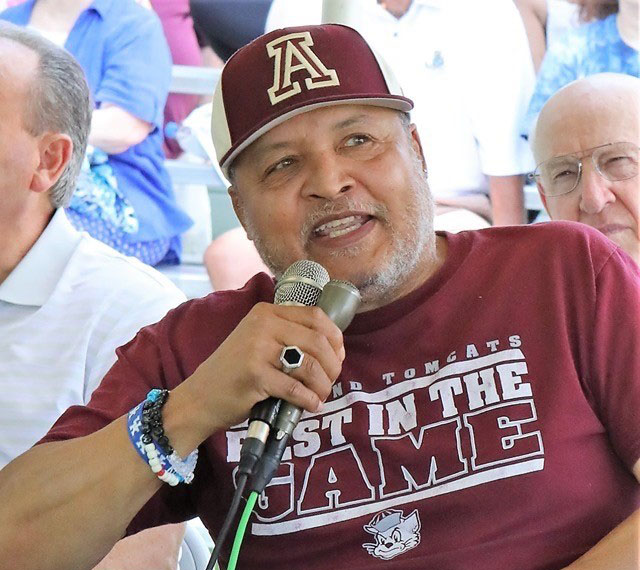
Mike Johnson during the 2019 CP-1 Hall of Fame induction ceremony in Central Park.

And they sure loved him and the impact he had on their lives.

Johnson has a passion for Ashland youth baseball that carried on for more than 50 years, starting back in his Little League days in the early 1960s. It was a turbulent time for African-Americans and it was during Johnson’s days as a Little League All-Star that he his eyes were first opened to prejudice.

Johnson was a member of the Ashland American 1963 Little League team that would eventually become state champions and came within one victory of making it to the Little League World Series. They played the State Tournament in Lexington and the Ashland team stayed at a motel that would not allow the team’s two Black players – Charlie Jackson and Johnson – to get in the swimming pool.

“On the last day before we left, I dove into that pool with all my clothes on,” Johnson said with a grin in an interview with me.

After the team won its first game in the State Tournament, he remembered the coaches wanted to treat the players to something special. They tossed around ideas like bowling and swimming before settling on a game of miniature golf because there was a course just down from where they were staying.

“I’d never played miniature golf in my life,” Johnson said. “I was looking forward to it. Everybody was excited.”

The team went together to the course and grabbed a club. But the owner stopped Jackson and Johnson from picking one up, telling the coaches that those two boys wouldn’t be allowed to play.

The team decided if their two friends weren’t welcome, they weren’t staying. It was a unanimous decision.

“Growing up in the ‘60s for a black kid was kind of rough,” Johnson said. “Sports was kind of a relief.”

While Johnson learned about prejudice during that trip to Lexington, he also learned about friendship and respect.

“It meant a lot to us that our teammates and coaches stood behind us,” he said. “They wouldn’t do anything or go anywhere that we couldn’t go.”

He said it also may have inspired the Ashland American All-Stars, who went on to win the State Tournament.

“I think it made us play harder, I really do,” Johnson said.

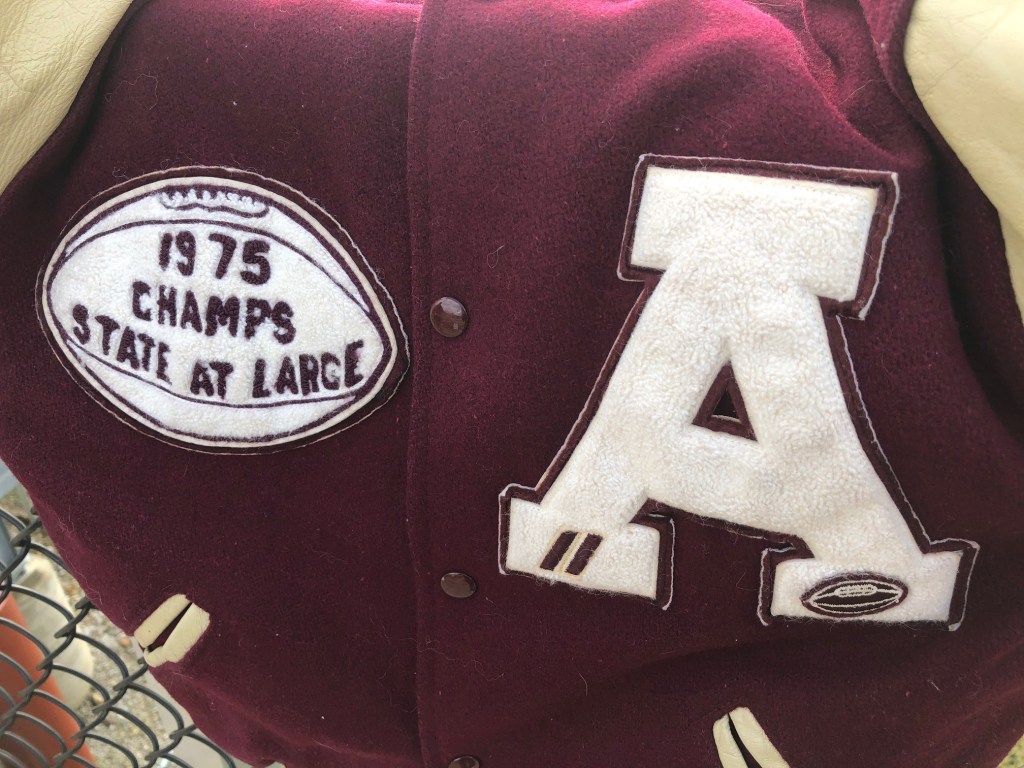
Johnson later played on a Babe Ruth state champion and was a starting cornerback on Ashland’s 1967 state championship football team and was the quarterback on coach Herb Conley’s first Tomcat team in 1968.

His oldest son, Mike Jr., was an all-around athlete and one of the greatest running backs in Tomcat history. He’s now a (track) state champion coach too at Mercer County and an outstanding assistant football coach. A younger son, Charlie, was a member of Ashland’s 1990 state championship team making them the only father-son duos to win state football titles in Tomcat history. His daughter Angie was a tremendous high school and college basketball player and college coach at Georgia and Florida State. He and Anyetta, his wife of 54 years, had reason to be proud.

His speeches to All-Star teams always underscored Ashland’s tradition and how much fun it is to ride the fire truck after winning a state championship. He was a man who knew through life experiences in this Tomcat town that riding the fire truck meant you were something special.

Johnson coached many All-Star teams during his 19 years and, while he never won a state championship, the players left with good memories. Players always liked playing for Johnson because he was fair and he made the game fun. He expected the players to give him their best effort every time and they knew it. I had the honor of coaching with him during my son’s three years on Babe Ruth All-Star teams. I learned so much about coaching and even more about him. He was an inspiration.

His coaching skills were not limited to baseball. He was a constant with the Ashland Junior Football League as well. If you can coach, coach. This man could coach.

And If not for some health issues that were eventually too much to overcome, he might have never stopped coaching.

But Mike Johnson left an imprint on Ashland sports that has few equals. He will always be a Tomcat Legend.

Johnny Mullins made lasting impact as athlete, friend

The 1960s are considered a golden era in Ashland Tomcat sports. They won state high school championships in basketball, football and baseball in the decade and had some of the greatest athletes to ever wear maroon and white.

JOHN MULLINS

Few teams anywhere – not just in the 16th Region but in all of Kentucky – could match them. Ashland put together powerful youth programs, especially in baseball, where state championships were quickly accumulated. That translated later to high school baseball teams from 1965-1969 when Ashland dominated the state with three titles, a semifinal finish and a runner-up finish during a five-year Tomcat Dynasty period that remains unmatched in state history.

The names from that era are forever remembered in Ashland. We sadly lost one of them last month with the passing of Johnny Mullins on Oct. 18. He was a brilliant athlete who excelled in baseball and basketball for the Tomcats while also starring on three memorable youth league championship teams, including the 1963 and 1964 Ashland American Little League state champions. The ’63 team was one win shy of being in the Little League World Series, losing to a team from North Houston 6-3. The following year, as a 13-year-old, he was on a Babe Ruth state champion, and he was just getting started. He was a star from the beginning with clutch performances on the mound and at the plate.

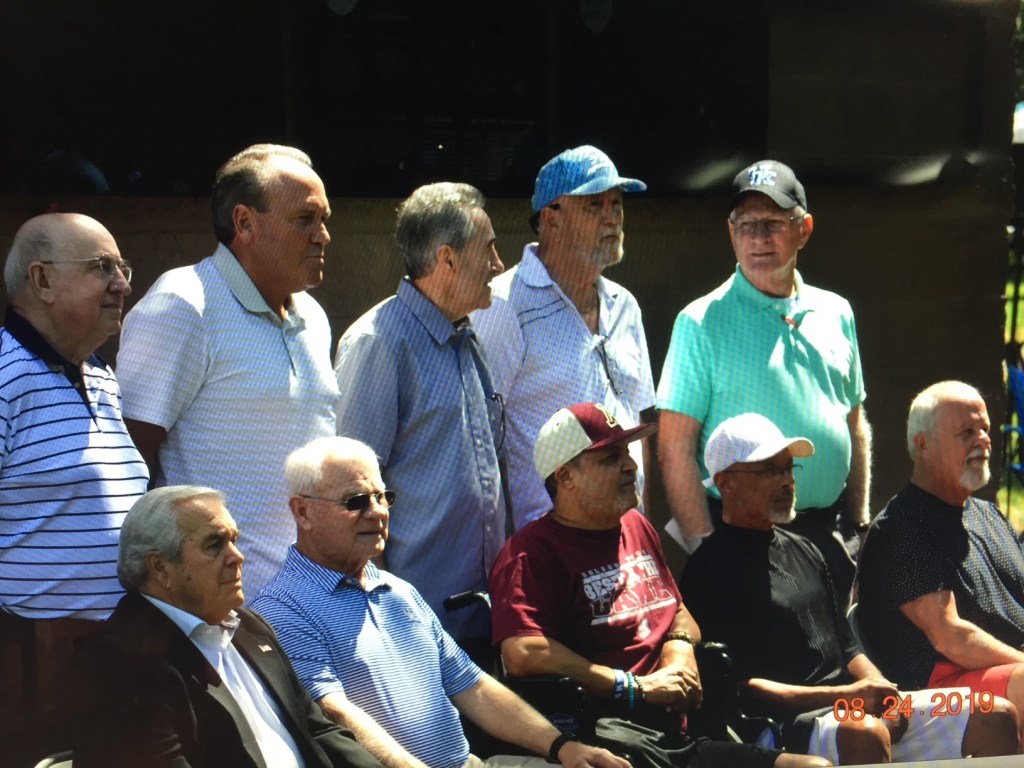
John Mullins stands behind Jim Speaks, a pair of fireball pitchers who were inducted into the CP-1 Hall of Fame in 2017. Both former Tomcat stars passed away in 2024.

Johnny was loved and admired by his teammates because if he was on your team, he made you better. He was a special talent.

Ashland’s baseball coaches recognized that in 1967 when they invited Mullins, who was a freshman at Coles Jr. High, to try out for the team. During that era, freshmen never played varsity in any sport. Ever. They would wait their turn not just in the freshman year but usually the sophomore year, too. But the Tomcats needed a shortstop and Mullins’ talent was undeniable. Let’s give the kid a shot, they said.

While he didn’t ultimately start at shortstop, he was a valuable reserve and pitched some too. That was unheard of for a freshman, and this was a team coming off an undefeated state championship season. All they did that season was win another state championship, and then another during Mullins’ sophomore year when he played a starring role.

Mullins was an easy selection for the CP-1 Hall of Fame in 2017 because of the gigantic roles he played on Tomcat teams of that era, including as a junior when he helped the Tomcats reach the state championship game for an unprecedented fourth consecutive year where they suffered a 1-0 loss to Owensboro in the championship game. As a senior, he took a depleted Tomcat team back to the regional championship game and Mullins’ will to win had a lot to do with that.

As a standout basketball player, he started on teams that went to the Sweet 16 in back-to-back seasons in 1969 and 1970 and reached the state semifinals in ’69 before losing an 82-80 heartbreaker to Ohio County. Playing in the final four is rare air even for Ashland, which has advanced that far only three times in the 55 years since.

Johnny Mullins was a natural athlete and good at anything he tried. He could have jumped off the high dive at Southside Pool for the first time and splashed down into the water after doing a triple flip without creating so much as a ripple, then move over’ to the basketball court and play the rest of the day because his team would never lose – and winners always stayed up at Southside. Then he might go down to the park and throw horseshoes and win there, too. Athletes like him do not come along often. The 1960s were full of them at Ashland and John Mullins rightly stands with the best of them.

The characteristics that made him a good athlete also made him a loyal friend and a loving husband, father, grandfather and brother. Family and friends mattered most to him.

Was he perfect? Of course not. None of us are. But it is what we do with those learning experiences that matter. As a professional, Mullins worked as a counselor at a day treatment center to help troubled youth in Ashland. Helping was what he did best. He related well to those he counseled, and they listened to his advice.

If you were in his circle, you could always count on him to be there in difficult times. He wanted to be that person who makes a difference, just like he did as an athlete.

Ashland lost a treasured friend on Oct. 18, but his legacy as an athlete, friend, and family man will be everlasting. A memorial ceremony to honor John Mullins will take place in the lobby of Paul G. Blazer High School on Nov. 16 from 2-4 p.m.

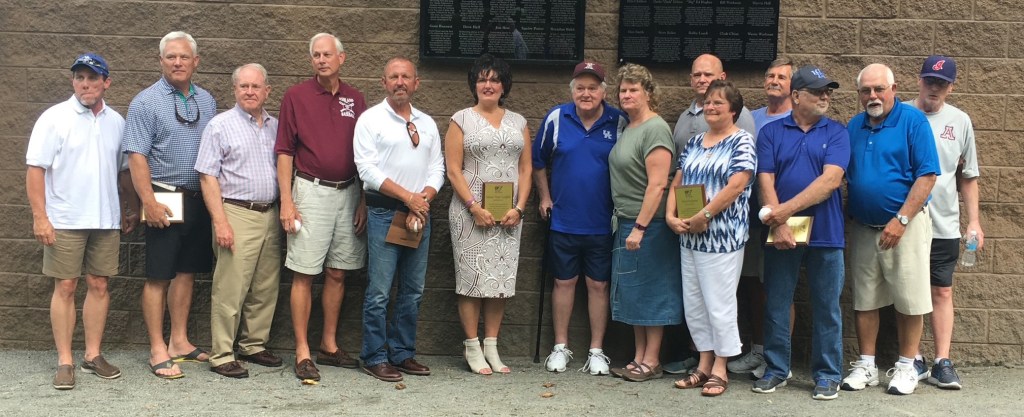
The 2017 CP-1 Hall of Fame class that included John Mullins who is on the far right of the back row.